
Economy & Finance · 05. July 2026
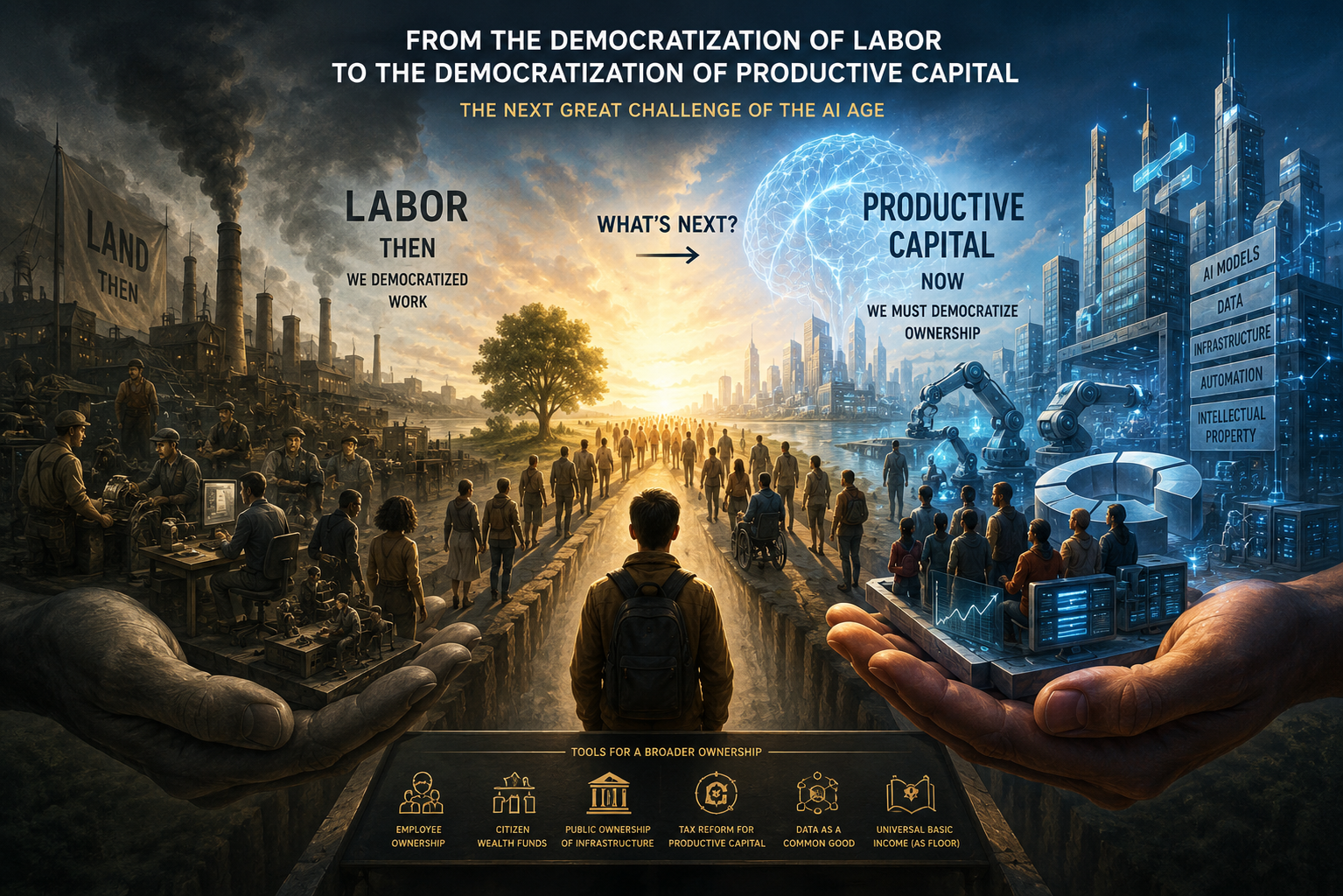
If AI doesn't augment human labor but substitutes it, the dominant factor of production shifts from labor to productive capital. Just as land and labor once had to be democratized, capital may need to be too — through employee ownership, sovereign citizen funds, or new data-ownership models. An economic thought experiment engaging Acemoglu, Piketty, and Marx that reframes the AI debate from a technology question into an ownership question: not how we protect jobs, but who owns the capital.
Health & Wellbeing · 12. January 2026

The God Gap is a philosophical essay about what remains when God is removed from human thought. It explores why enlightenment does not simply eliminate God, but exposes structural gaps between hope and fulfillment, guilt and forgiveness, and is and ought. The article explains why these gaps can force God to re-emerge as a social phenomenon and how education, language, and institutions can learn to inhabit them without religion.
Economy & Finance · 21. December 2025

Digitalization is usually framed as efficiency and progress. But I argue that digital systems now fulfill the same structural role temples once did: protecting wealth through abstraction, legitimacy, and collective belief. Tracing the shift from sacred objects to symbolic ownership and finally to system-based access, the article explores how value, power, and security have migrated beyond possession toward invisibility, indispensability, and systemic relevance.
Health & Wellbeing · 07. December 2025
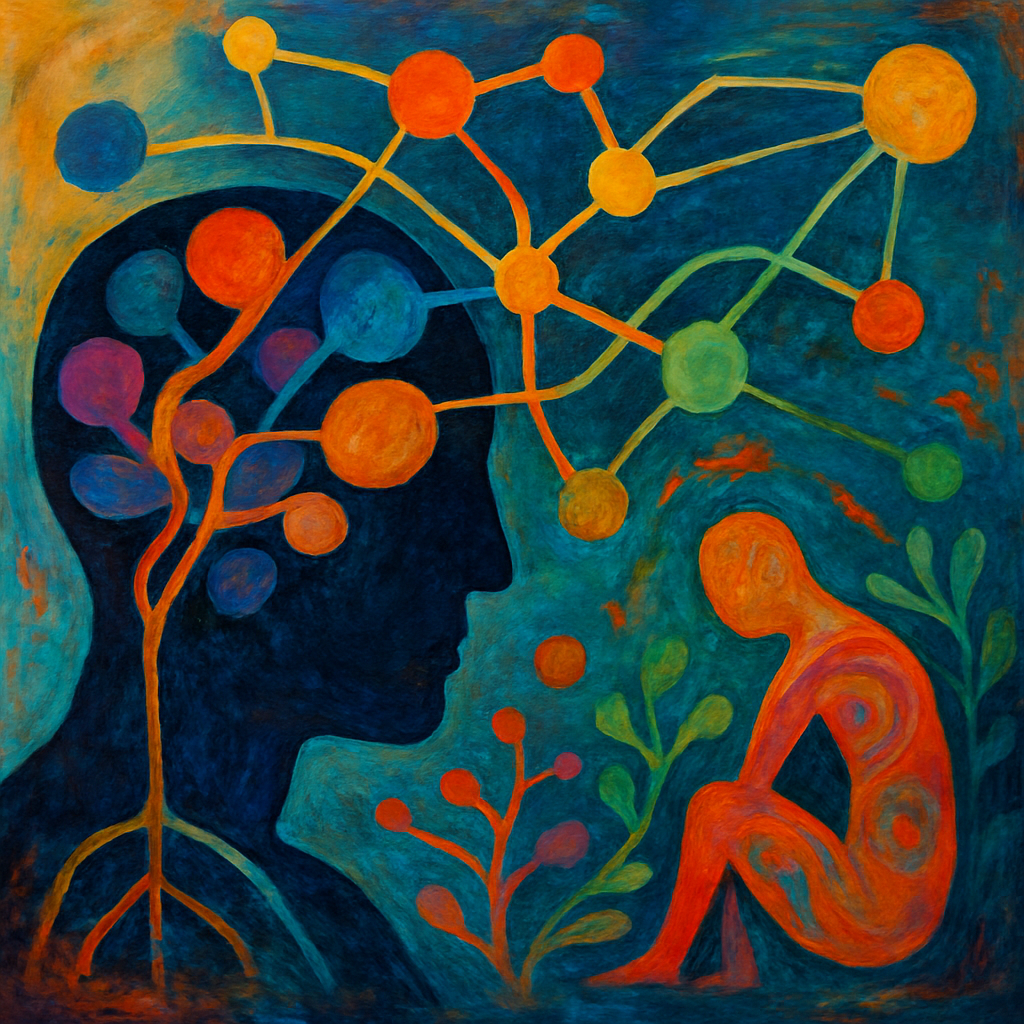
Discover the Mind–Body Ecosystem, a science-based, networked model for understanding emotional triggers and personal transformation. Learn how core drives, emotional memory, thoughts, physiology, and social context interact and how to use this insight to break patterns, regulate your system, and create lasting change. Includes practical tools and a trigger-mapping worksheet.
Humanities & Education · 30. November 2025

AI is no longer a tool added to scientific work, it's becoming the underlying infrastructure of research itself. This article explores how AI fundamentally reshapes academic workflows, why traditional concepts of expertise are breaking down, and how students and researchers can thrive in this new reality. Through a practical four-pillar framework and three detailed case studies, it shows what modern research really looks like when AI becomes a cognitive partner. The result is provocative!
Politics & Social Justice · 11. October 2025

We live in an age where our explanations can no longer keep up with the world they describe. This essay explores what happens when reality becomes too complex for our maps - why simplification persists, how systems forget their origins, and why every conflict hides a complexity gap.
Humanities & Education · 05. October 2025

A poetic yet scientific exploration of symmetry from Emmy Noether’s theorem and the laws of physics to the cosmic dance of Shiva and the Tibetan Kalachakra Mandala. This essay connects science, philosophy and spirituality in a single rhythm of creation, order and dissolution.
Humanities & Education · 08. August 2025
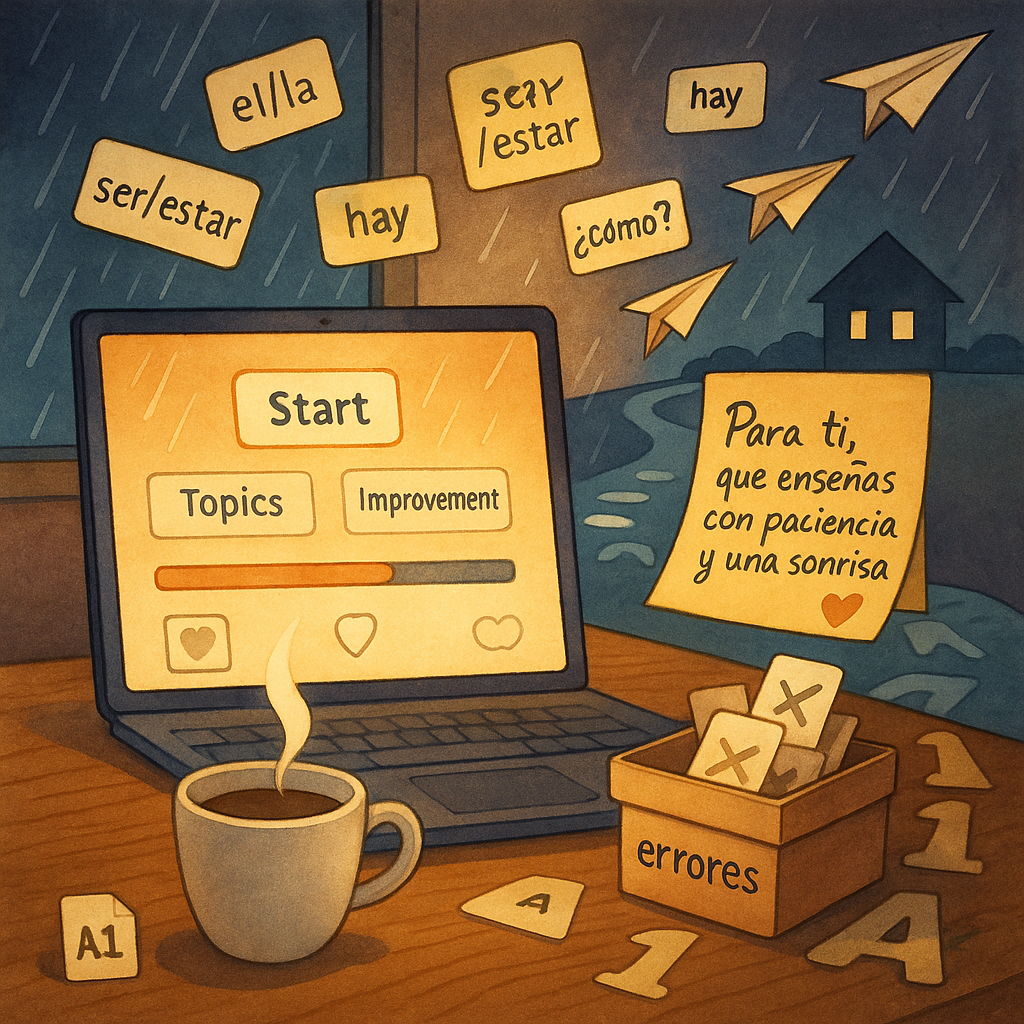
A heartfelt, no-code journey: I built an offline Spanish A1 grammar app with AI - Mastery & Improvement modes included. A gift for a teacher in training.
Health & Wellbeing · 05. July 2025
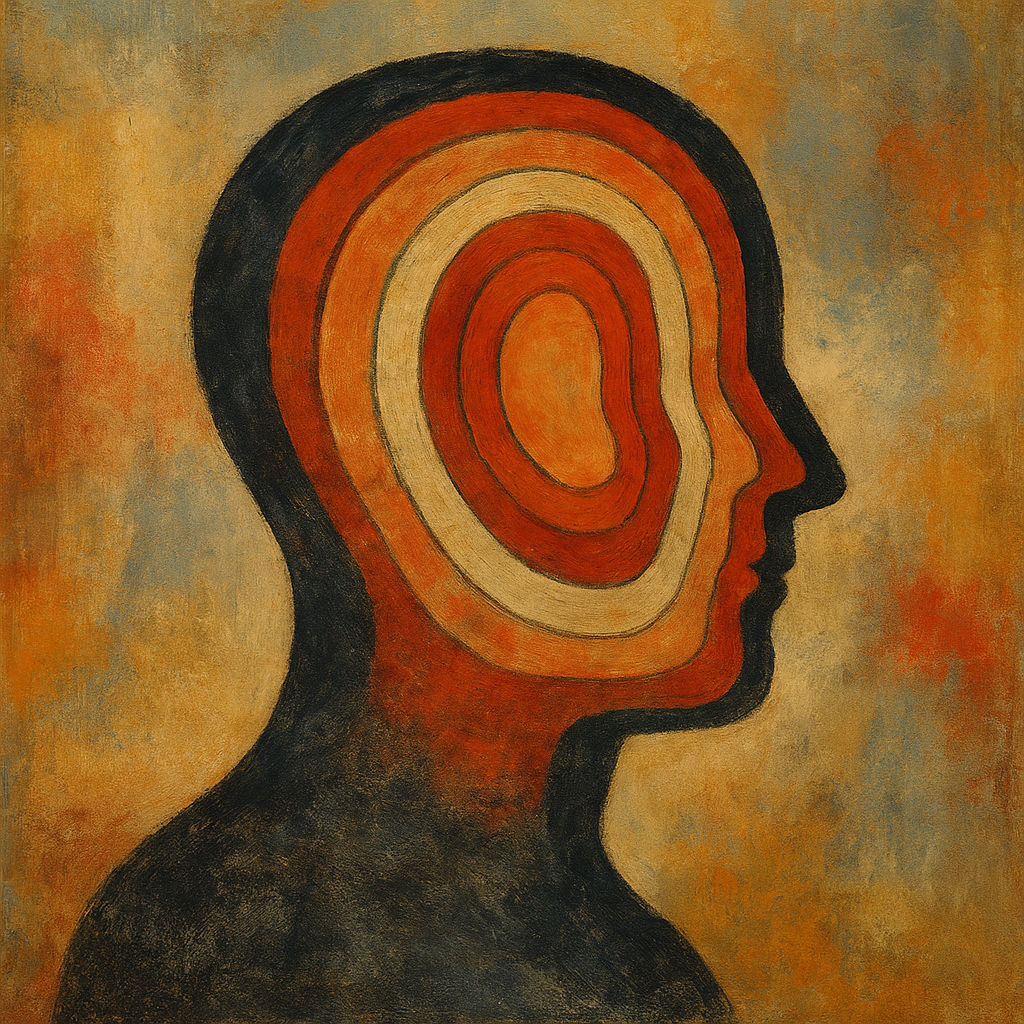
In a world of simulation and imitation, this essay explores how to live with honesty, depth, and origin - without illusion, but never without mystery.
Economy & Finance · 17. June 2025
Traditional financial models fail to capture the tangled reality of Eurozone finance. This article introduces hypergraphs as a revolutionary tool to map systemic risk across sovereigns, banks, and shadow entities—moving beyond pairwise thinking to understand true interdependence.
